
R&D Tax Incentive Calculator Australia
Free R&D tax incentive calculator for Australian businesses. Estimate your refundable or non-refundable tax offset based on eligible R&D expenditure for FY2025-26.
How the R&D tax incentive works
The R&D Tax Incentive provides Australian companies with a tax offset for eligible research and development expenditure. The offset rate depends on your company’s aggregated turnover:
| Turnover | Offset rate | Type | What it means |
|---|---|---|---|
| Under $20 million | 43.5% | Refundable | Cash back even if you owe no tax |
| $20M or more | Company tax rate + 8.5% (33.5%) | Non-refundable | Reduces your tax bill |
For a startup spending $300,000 on R&D, the refundable offset is $130,500 in cash back from the ATO.
Eligible R&D expenditure categories
The ATO allows claims on expenditure directly related to registered R&D activities:
- Employee wages: salary, super, and on-costs for time spent on R&D
- Contractor fees: payments to R&D consultants, developers, and researchers
- Cloud and software: AWS, Azure, SaaS tools, and compute used for R&D
- Materials and consumables: prototyping materials, lab supplies, test equipment
- Depreciation: decline in value of assets used for R&D
- Overheads: rent, utilities, and insurance apportioned to R&D activities
The record-keeping problem
AusIndustry requires contemporaneous records proving that expenditure was genuinely incurred on eligible R&D activities. Most startups reconstruct this evidence at year-end from bank statements and scattered receipts, paying $5,000 to $15,000 to an R&D consultant for forensic accounting.
The alternative: track R&D expenditure in a dedicated budget throughout the year. Every transaction is coded, receipted, and audit-ready from the moment it happens.
2026-27 Federal Budget changes
The May 2026 Budget announced significant R&D Tax Incentive reforms (effective 1 July 2028):
- Refundable offset threshold raised from $20M to $50M turnover
- Refundability limited to companies under 10 years old
- Offset rates for core R&D increasing 25-50%
- R&D intensity threshold reduced from 2% to 1.5%
- Maximum expenditure cap raised from $150M to $200M
- Minimum spend threshold increased from $20,000 to $50,000
These changes make the incentive more generous for mid-sized companies but require higher minimum spend. Accurate expense tracking becomes even more critical.
Estimate your R&D tax offset
Get a more personalised answer
We've built a Budgetly-aware question from your numbers. Edit it if you like, then send it to your AI of choice.



Opens in a new tab with your calculator result for a more personalised answer.
Frequently asked questions
What is the R&D tax incentive in Australia?
The Research and Development Tax Incentive is an Australian Government program that provides a tax offset for eligible R&D activities. Companies with aggregated turnover under $20 million receive a 43.5% refundable tax offset. Companies with turnover of $20 million or more receive a non-refundable offset at their company tax rate plus 8.5%.
What expenses are eligible for the R&D tax incentive?
Eligible expenditure includes: employee wages for time spent on registered R&D activities, contractor and consultant fees for R&D work, cloud hosting and software used for R&D, materials and consumables, depreciation on R&D assets, and a portion of overhead costs (rent, utilities) apportioned to R&D activities. All activities must be registered with AusIndustry.
What is the difference between refundable and non-refundable offsets?
A refundable offset means you receive cash back even if your company has no tax liability (common for startups and early-stage companies). A non-refundable offset reduces your income tax payable but cannot generate a cash refund. Companies with aggregated turnover under $20 million get the refundable offset. Companies with turnover of $20 million or more get the non-refundable offset.
How do I register for the R&D tax incentive?
You must register your R&D activities with AusIndustry (Department of Industry, Science and Resources) within 10 months of the end of the income year in which the activities were conducted. Registration is done through the R&D Tax Incentive portal. You then claim the offset in your company tax return lodged with the ATO.
What is the minimum R&D expenditure to claim?
Currently, you must have at least $20,000 in eligible R&D expenditure to claim the incentive, unless the R&D was conducted with a registered Research Service Provider (RSP) or Cooperative Research Centre (CRC). The 2026-27 Federal Budget announced this threshold will increase to $50,000 from 1 July 2028.
What changed in the 2026-27 Federal Budget for R&D?
Key changes announced (effective from 1 July 2028): the refundable offset threshold increases from $20M to $50M turnover (but limited to companies under 10 years old), offset rates for core R&D increase by 25-50%, the R&D intensity threshold reduces from 2% to 1.5%, the maximum expenditure cap increases from $150M to $200M, and the minimum spend threshold increases from $20,000 to $50,000.
Methodology and disclaimer
This calculator uses the ATO R&D Tax Incentive rates for income years commencing on or after 1 July 2021. The refundable offset rate is 43.5% for entities with aggregated turnover under $20 million. The non-refundable offset rate is the company tax rate (25% for base rate entities) plus 8.5%, totalling 33.5%.
This is a simplified estimate. It does not account for the R&D intensity premium (additional offset for expenditure exceeding 2% of total expenses), clawback provisions, feedstock adjustments, or the $150 million expenditure cap. The calculator assumes all entered expenditure is on registered, eligible R&D activities.
This tool provides estimates only and does not constitute financial, tax, or legal advice. Always consult a registered R&D tax consultant or tax agent for your specific circumstances. Rates are current as at 1 July 2025.
Stop reconstructing R&D spend at year-end
Set up a dedicated R&D budget in Budgetly. Every dollar is tracked, receipted, and audit-ready from day one. When claim time comes, export your R&D budget report and hand it to your consultant.
Start free trialYou might also like
Employee Cost Calculator
How to calculate the true cost of an employee The cost of an employee is never just their salary. Once you factor in the on-costs every Australian …
What Is This Charge? Bank Statement Lookup
Common bank statement prefixes explained If you see a prefix before the merchant name, it usually identifies the payment processor, not the merchant …
Expense Category Planner
Plan your business expense categories Knowing where your money goes is the first step to controlling it. This free tool helps you map out your expense …

Invoice fraud: the biggest risk to your NFP's funds
A fraudulent invoice can be created in seconds. It arrives looking exactly like one you were expecting, from a supplier you know, for an amount that …
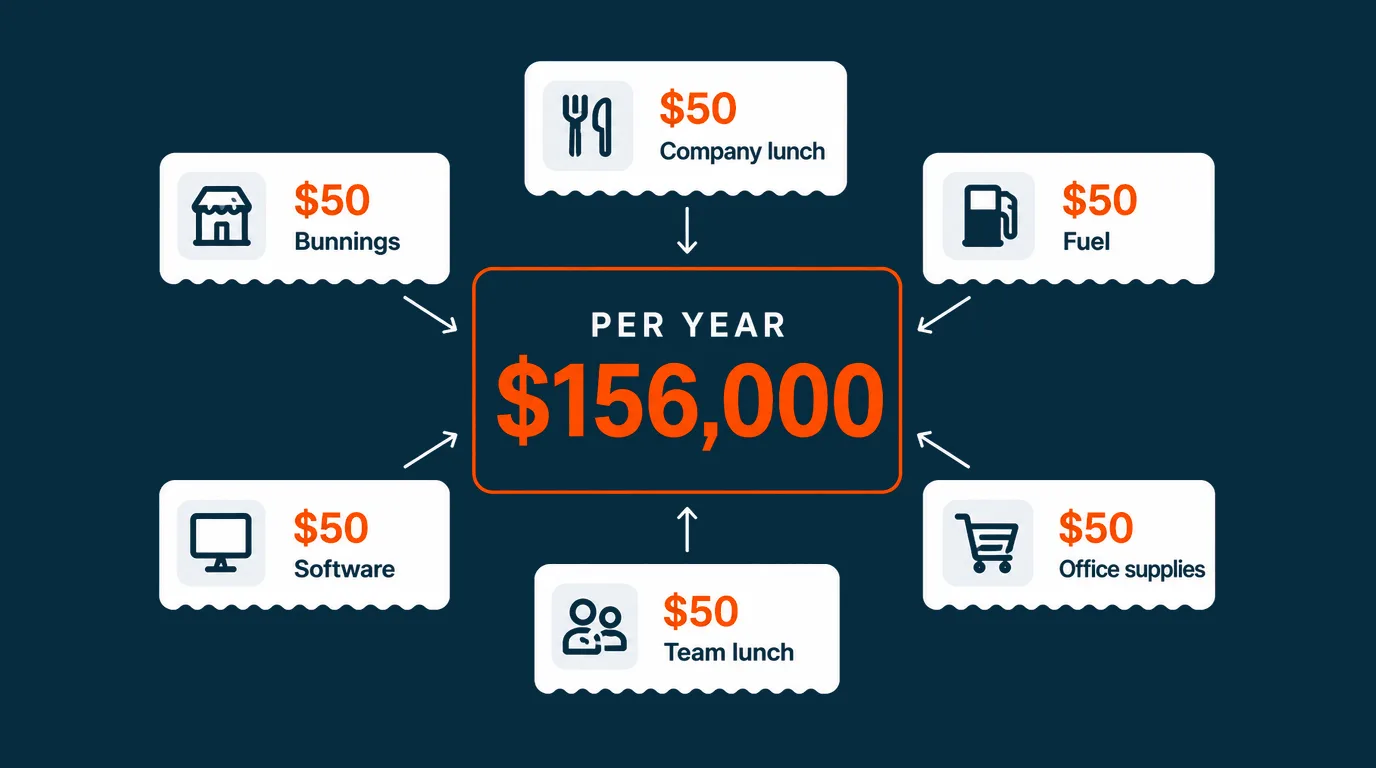
Small spend is where margin quietly disappears
Not in one dramatic decision. In the steady drip of low value purchases that feel harmless in isolation, and become material when your team grows. A …
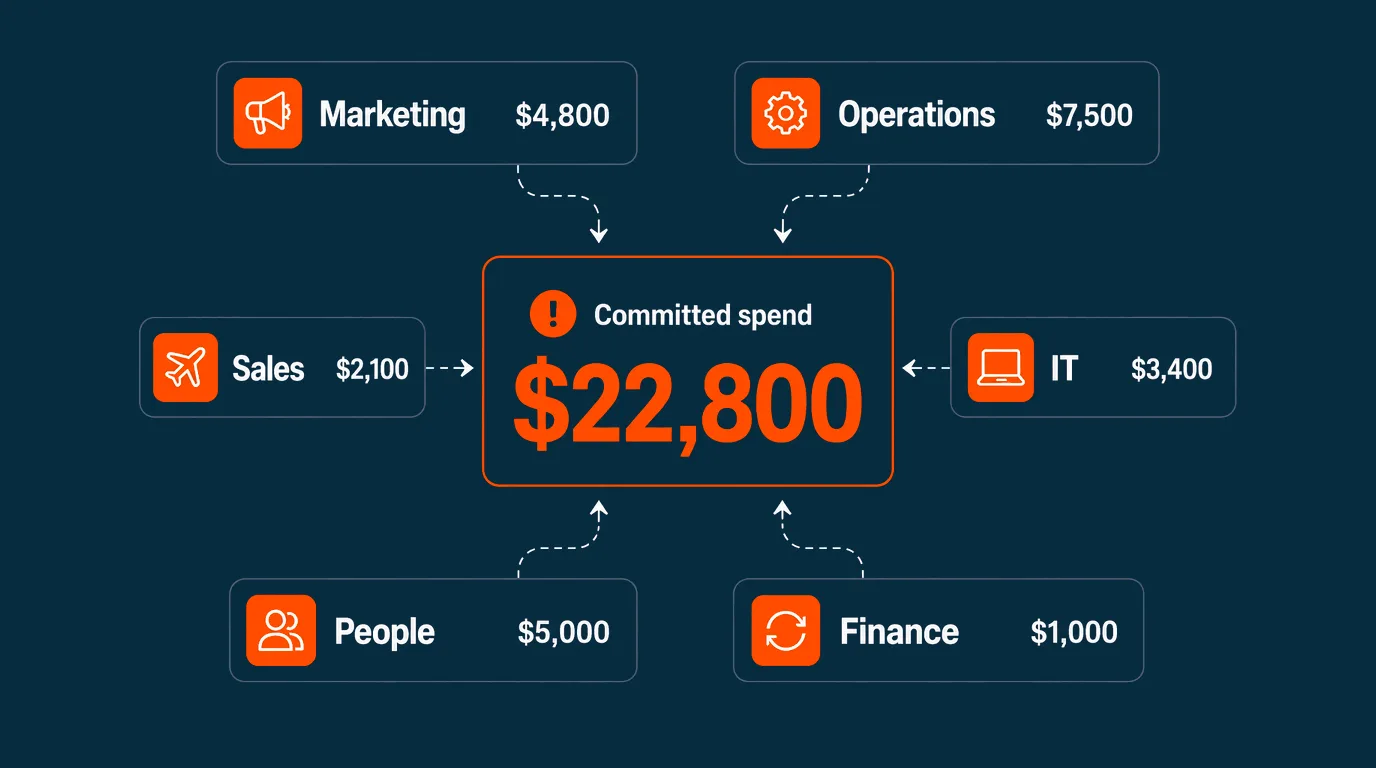
Your bank balance tells you what already happened. Your budget should tell you what's about to.
Your bank balance is telling you what has already happened. Your budget is meant to tell you what is about to happen. When those two numbers drift …