
Business Tax Calculator
Free Australian business tax calculator. Estimate company tax for FY2025-26 using current ATO rates: 25% for base rate entities, 30% for others.
Estimate your company tax
Hunting for receipts at tax time? Budgetly collects one for every card purchase as it's made and categorises it, so nothing goes missing.
At the company tax rate.
Let's have every receipt in place before tax time.
Book a 30-minute demoAustralian company tax rates (FY2025-26)
The ATO applies two company tax rates depending on entity size and income composition:
| Entity type | Tax rate | Criteria |
|---|---|---|
| Base rate entity | 25% | Aggregated turnover under $50M, and no more than 80% passive income |
| All other companies | 30% | Turnover $50M+ or more than 80% passive income |
How to estimate your company tax
The formula is straightforward:
Estimated tax = Taxable income × Tax rate
Taxable income is your total assessable income minus allowable deductions. This calculator provides a simplified estimate. Your actual tax liability may differ based on:
- Tax offsets and credits (e.g. R&D tax incentive, franking credits)
- Capital gains and losses
- Prior year losses carried forward
- Small business concessions
Reducing your tax liability
Australian SMEs can reduce taxable income through legitimate deductions:
- Instant asset write-off: Businesses with turnover under $10M can immediately deduct the full cost of eligible assets
- Prepaid expenses: Prepaying up to 12 months of expenses before 30 June
- Superannuation contributions: Employer contributions are deductible
- Bad debts: Writing off genuinely unrecoverable debts before year-end
- Operating expenses: All ordinary business costs including software subscriptions, travel, and office supplies
Accurate expense tracking throughout the year ensures you capture every deduction.
Frequently asked questions
What is the company tax rate in Australia for 2025-26?
For FY2025-26, the company tax rate is 25% for base rate entities (companies with aggregated turnover less than $50 million that derive no more than 80% of assessable income from base rate entity passive income). All other companies pay 30%.
What is a base rate entity?
A base rate entity is a company that has an aggregated turnover of less than $50 million and no more than 80% of its assessable income is base rate entity passive income (such as interest, dividends, rent, royalties, and net capital gains).
How is company taxable income calculated?
Taxable income is your assessable income minus allowable deductions. Assessable income includes business revenue, capital gains, and other income. Deductions include operating expenses, depreciation, and other costs incurred in earning assessable income.
When is company tax due in Australia?
Company tax returns are generally due by the last day of February following the end of the financial year (30 June). If you use a registered tax agent, you may have an extended lodgement deadline. PAYG instalments are due quarterly throughout the year.
Methodology and disclaimer
This calculator applies the ATO company tax rates for FY2025-26: 25% for base rate entities (aggregated turnover under $50 million with no more than 80% passive income) and 30% for all other companies.
The estimate is a simplified calculation of taxable income multiplied by the applicable rate. It does not account for tax offsets, franking credits, R&D incentives, capital gains concessions, prior year losses carried forward, or small business concessions that may reduce your actual liability.
This tool provides estimates only and does not constitute financial, tax, or legal advice. Always consult a registered tax agent for your specific circumstances. Rates are current as at 1 July 2025.
Track every deductible expense automatically
Budgetly captures and categorises business expenses in real time, so nothing slips through at tax time. Give your accountant a head start with clean, coded data.
Book a 30-minute demoYou might also like
Fuel Tax Credit Calculator Australia (Current ATO Rates)
How fuel tax credits are calculated A fuel tax credit gives back some or all of the fuel tax (excise or customs duty) included in the price of fuel …
Margin Calculator: Gross Margin, Markup and GP
How to calculate margin, markup and gross profit Start with your cost and your selling price, both without GST if you’re registered for GST. …
Employee Cost Calculator
How to calculate the true cost of an employee The cost of an employee is never just their salary. Once you add the on-costs every Australian employer …
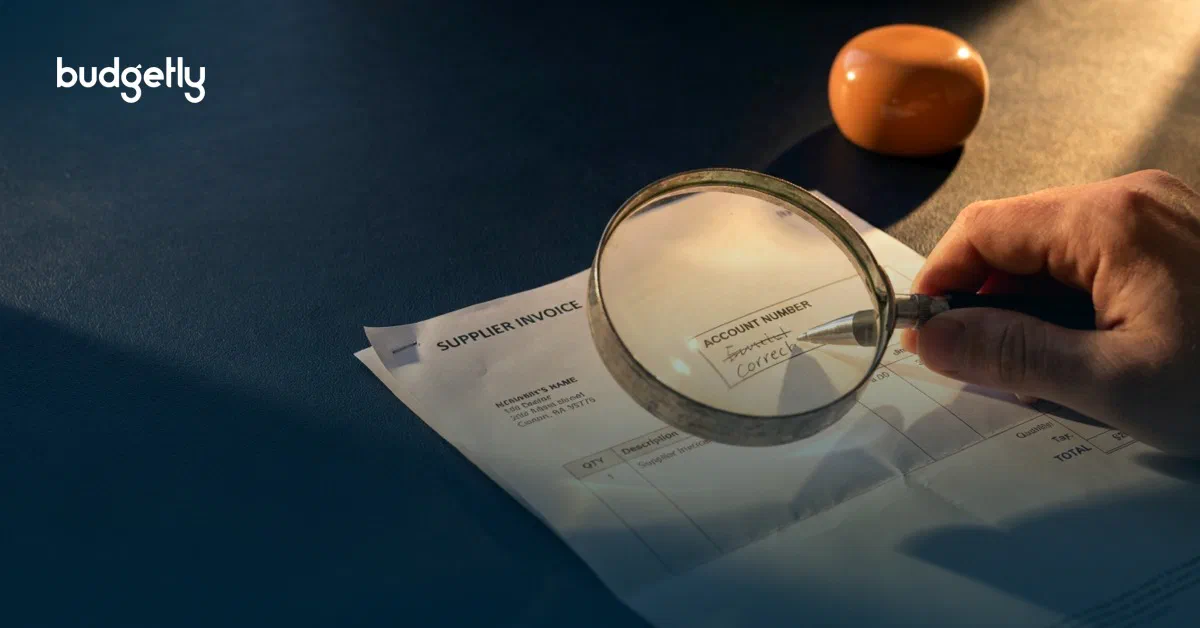
The #1 Invoice Scam Costing Australians $166.8 Million
Invoices do not need to be fake to steal your money. The most dangerous ones are real. A common fraud pattern is simple. A legitimate supplier bill …

Rates Are at 4.60%. Your Payables Are a Funding Decision Now
What the fourth rise of 2026 means for SME cash, debt and supplier terms The fourth rate rise of 2026 has a simple effect that many SME leaders …

Invoice fraud: the biggest risk to your NFP's funds
A fraudulent invoice can be created in seconds. It arrives looking exactly like one you were expecting, from a supplier you know, for an amount that …