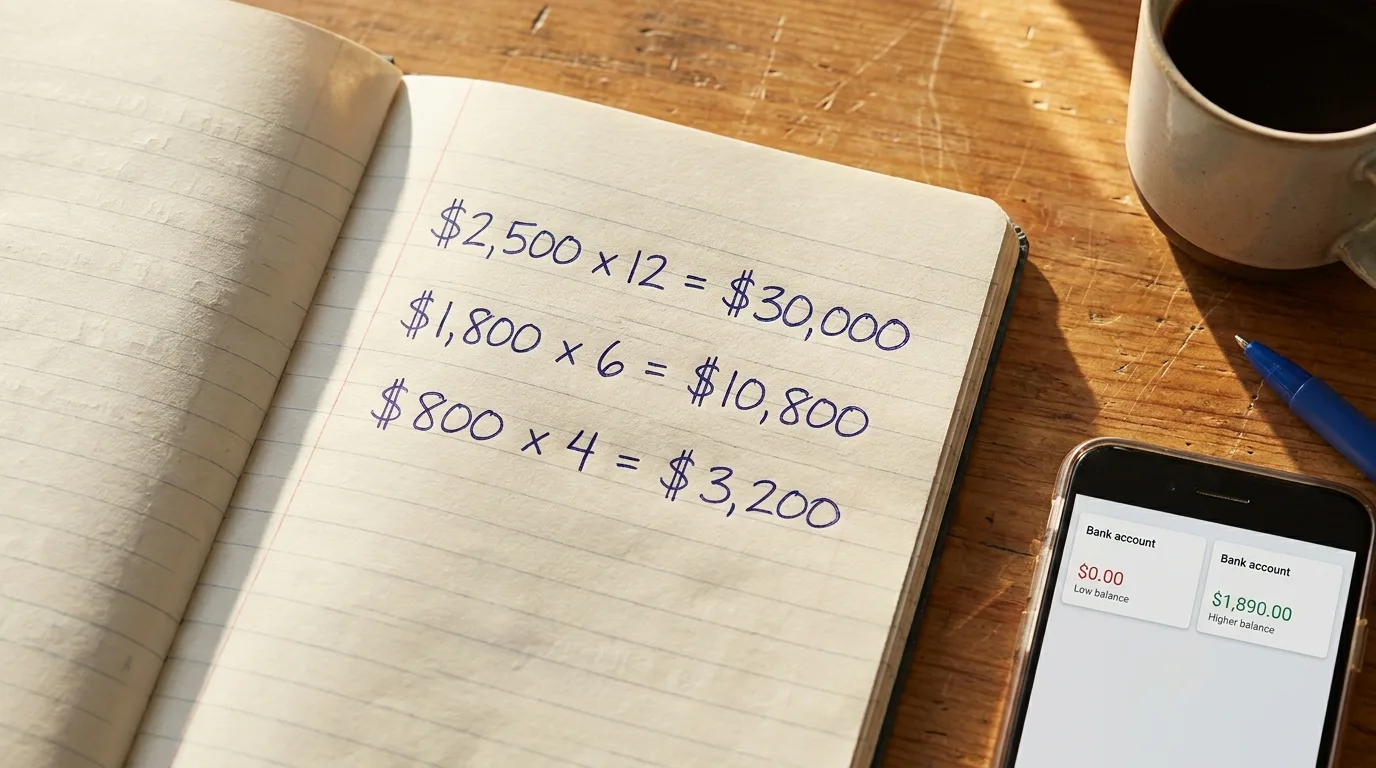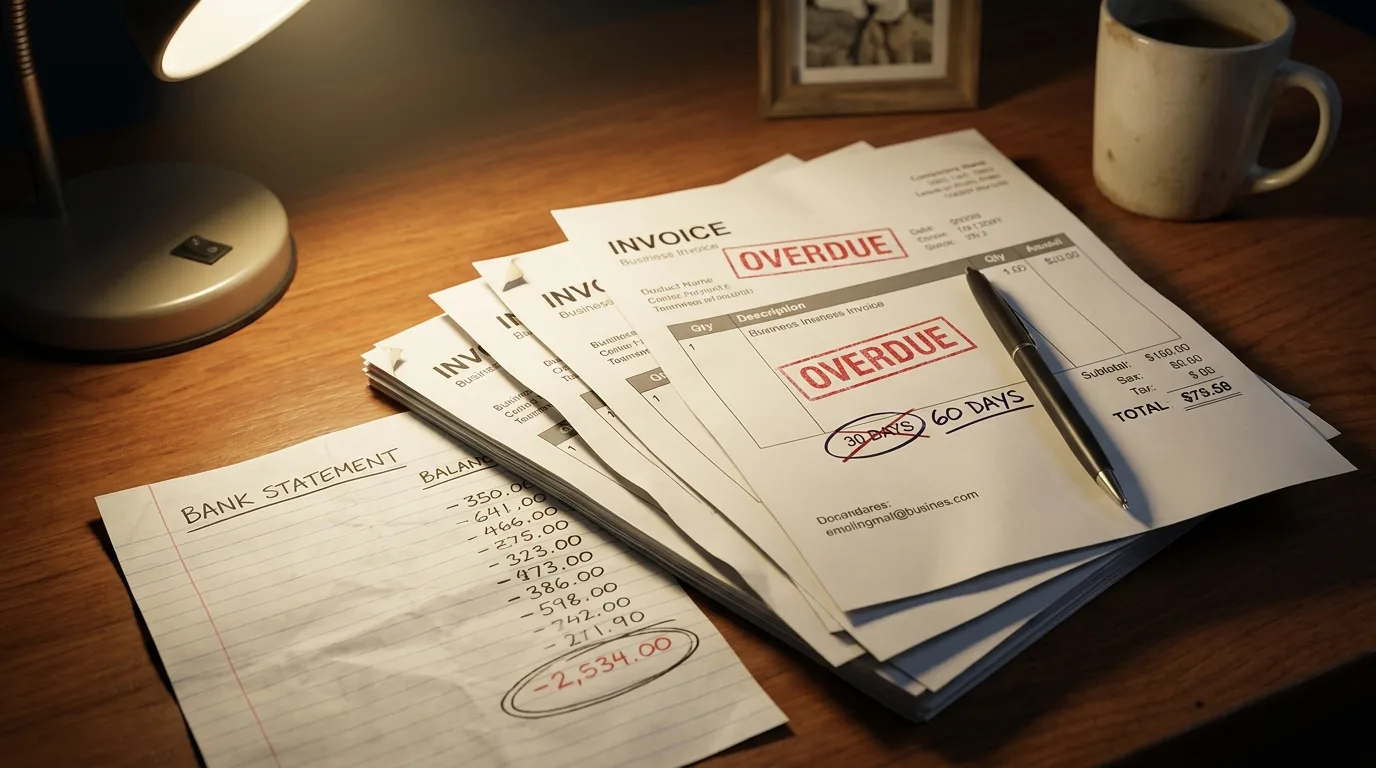


For years, unpaid super was the working capital line nobody put on a term sheet. Up to three and a half months could pass between the day it accrued and the day it was due, and plenty of businesses leaned on that gap to smooth a tight month. From 1 July, that float is gone.
Payday Super is now law. Super has to reach the fund within seven business days of every pay run. No more parking a quarter’s worth on the balance sheet and settling up before 28 July.
What lands in the next 90 days
Look at what hits in the same window. Late July brings the June quarter BAS, with GST and PAYG withholding due together. The payroll tax reconciliation falls in the same period. And the final quarterly super, for the April to June period, is still due on 28 July under the old rules. For two months you fund both systems at once: the tail of the quarterly regime and the new payday cadence, side by side.
So here is my prediction. The number of SMEs pushing their June BAS onto an ATO payment plan is about to increase sharply. Not because those businesses are failing, but because the cash arrives in the wrong order for one quarter, and the BAS is the obligation with a ready-made deferral sitting behind it.
The ATO is already lending at scale
Which raises the real question. If super can no longer be stretched and the BAS becomes the pressure valve, is the ATO about to become the unofficial lender to the SME sector?
It already is. Small businesses carry close to $36 billion of the ATO’s collectable debt, about two thirds of the total. More than 1.3 million of them owe an average of around $27,000, and roughly 300,000 already sit on active payment plans. An audit released at the end of June warned the risk of that debt reaching unacceptable levels is now out of tolerance.
The payment plan is one of the most expensive options going
Here is the catch too many owners still price wrong. The ATO is one of the most expensive lenders in the room. The general interest charge has been running near 11 per cent, it compounds daily, and since 1 July 2025 it is no longer tax deductible. Against a bank facility at 6 to 9 per cent with deductible interest, the payment plan that feels like the easiest money is quietly one of the dearest.
So the payment plan is not a strategy. It is a symptom, and an expensive one.
The float is gone. The fallback costs 11 per cent.
When the super float existed, a loose month could hide inside it and be reconciled later. That slack disappeared on 1 July. Every dollar you commit now has to be funded much closer to real time, and the fallback is no longer a free buffer. It is an 11 per cent loan from the Commonwealth you cannot even deduct.
Model your July to September cash position now, week by week, with the double super hit built in. Know the number before you approve, not after the BAS lands.
If you run a rolling forecast, drop the Payday Super line into weeks 1 to 4 and stress-test the cumulative position. If you do not run one yet, this is the quarter to start.
Control should happen before money is spent, not after.