
Most finance teams think in invoice value.
Five thousand dollars. Twenty thousand dollars. Fifty thousand dollars.
But the real cost of paying a bill is often the process wrapped around it.
Manual accounts payable has a hidden unit cost. It shows up as time, interruptions, rework, delays, and risk. It is not dramatic. It is constant. And it compounds as your business grows.
Think about what happens when a bill arrives by email.
Someone receives it. They save it. They forward it. They ask a question. They chase an approval. They wait. They follow up. They copy details into a banking portal. They double check the BSB and account number. They attach evidence. They answer the same question again next month because the context is stuck in someone’s inbox.
None of that is value creation. It is admin you tolerate because “that is how bills work”.
It does not have to.
The hidden process cost of manual AP
Manual AP is expensive for three reasons.
1. Every bill becomes a mini project
Even when the invoice is legitimate and the spend is approved, you still run a workflow. Who owns it. Who approves it. What GL code applies. What budget it comes from. What evidence is needed. What happens if the approver is away.
When the process lives in email threads, it becomes harder to see what is happening and harder to keep moving.
2. You pay in time, not just money
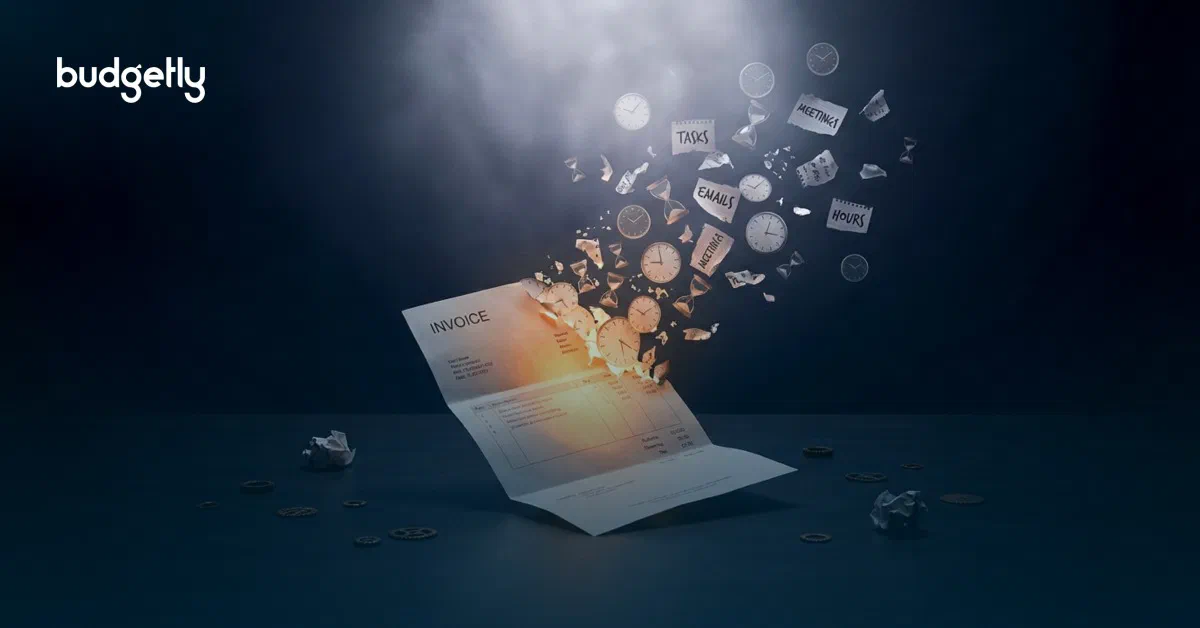
The time cost is not one big block. It is dozens of small fragments.
Two minutes to find the right email.
Five minutes to understand the context.
Three minutes to nudge an approver.
Ten minutes to correct a mismatch.
Four minutes to re enter bank details.
Multiply that across dozens or hundreds of bills per month and you end up paying for a full time job that nobody planned for.
3. Manual steps increase risk
The more times humans copy and paste payment details, the more chances you create for errors.
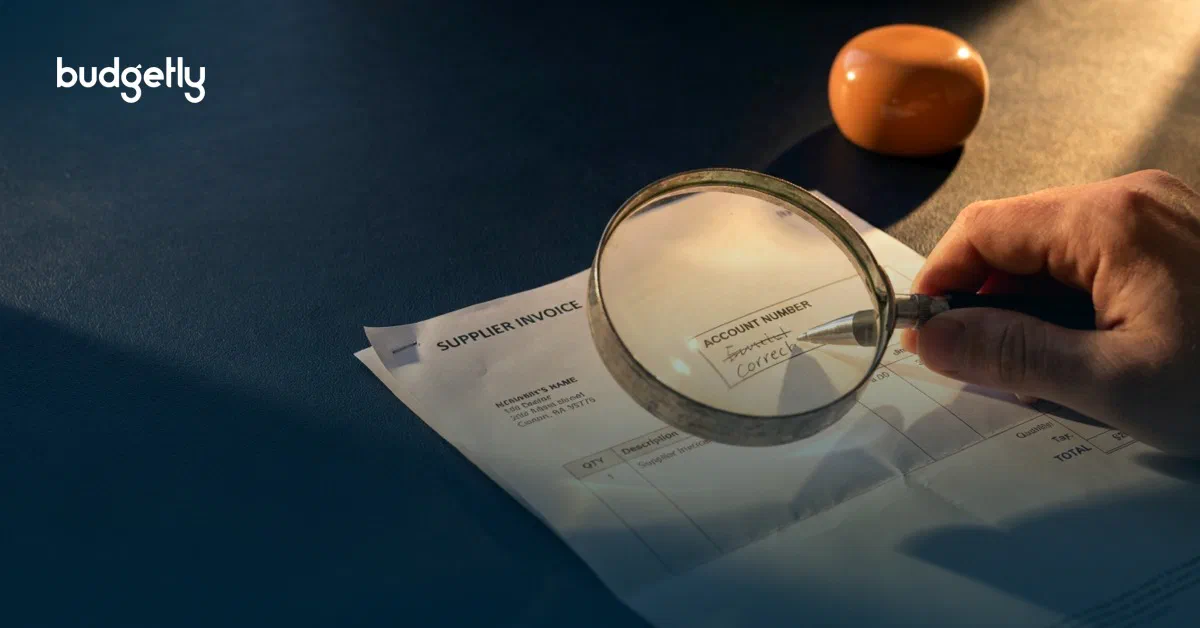
The bigger risk is fraud. Payment redirection scams do not rely on fake invoices. They rely on real invoices with altered bank details. The more manual your process is, the easier it is for a change to slip through when everyone is busy and the bill looks familiar.
What a better workflow looks like
A modern AP process is not just “faster”. It is calmer. It removes decisions from the wrong places and puts control where it belongs.
The pattern is straightforward.
Capture the bill once, at the point it arrives.
Route it to the right people for approval, with clear context.
Pay it from one screen, without re keying and without chasing threads.
This is exactly why we built Approvals in Budgetly.
You can capture bills by forwarding them in. You keep the bill, the approvals, and the payment status in one place. Approvers do not need to dig through inboxes to work out what they are looking at. Finance does not need to reconstruct the story at the end of the month.
The result is not just a quicker payment cycle. It is fewer interruptions, fewer follow ups, and fewer “who is holding this” messages inside your team.
The practical CFO test
Here is a simple question to ask.
If your AP person is away tomorrow, can someone else pick up your payables and know, in two minutes, what is ready to pay, what is waiting on approval, and what is blocked.
If the answer is no, you have a visibility problem. That is where cost hides.
Manual AP does not break loudly. It leaks time quietly. And time is the one cost centre you never get back.
If you want to reduce the true cost per invoice, do not start by negotiating supplier terms. Start by removing the manual steps between bill receipt and payment.
Capture by email. Approvals that move. One screen to pay.