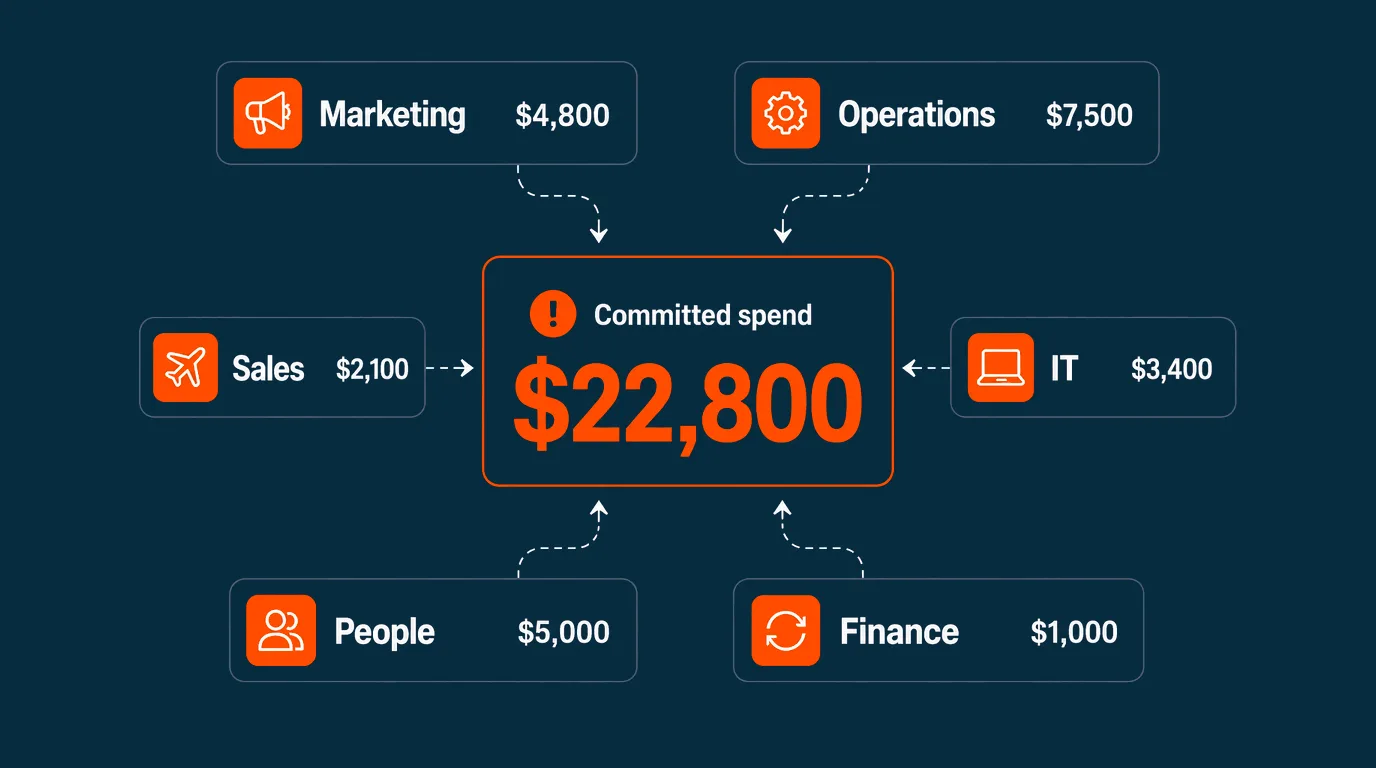

Not in one dramatic decision. In the steady drip of low value purchases that feel harmless in isolation, and become material when your team grows.
A twenty person business can run on informal judgement. A one hundred person business cannot. The spend volume is too high, the number of decision makers is too broad, and the context around each purchase is too thin. What used to be “a quick buy to keep things moving” becomes a pattern that erodes margin without anyone noticing until the month end review.
This is the hidden margin leak.
Why small spend is uniquely dangerous
Small purchases usually bypass scrutiny for three reasons.
First, they sit below approval thresholds. Nobody wants a senior leader reviewing a forty dollar tool. The process cost is higher than the spend.
Second, they are easy to justify. The buyer can always frame it as necessary. It saves time. It unblocks work. It is only a small amount.
Third, they are hard to measure. Small spend is spread across cards, invoices, subscriptions, reimbursements, and one off vendor charges. It does not show up as a single line item. It shows up as noise.
When the business is growing, noise becomes a number.
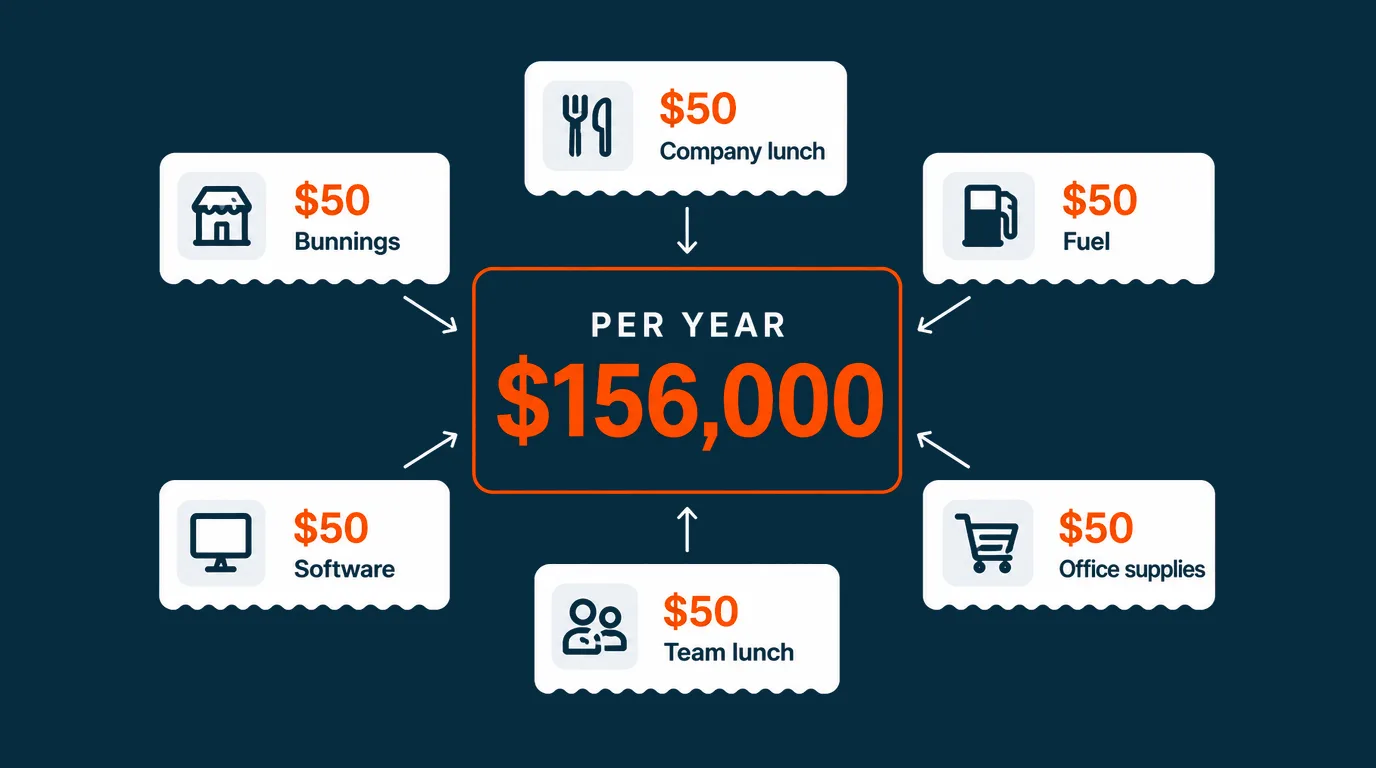
A simple example. If 60 people each spend $50 a week on ad hoc tools and minor purchases, that is $3,000 a week. That is roughly $156,000 a year. In many SMEs, that is a meaningful share of profit.
The real issue is not approval. It is visibility
Many businesses respond by tightening approvals. They lower thresholds. They add extra sign offs. They ask for more documentation.
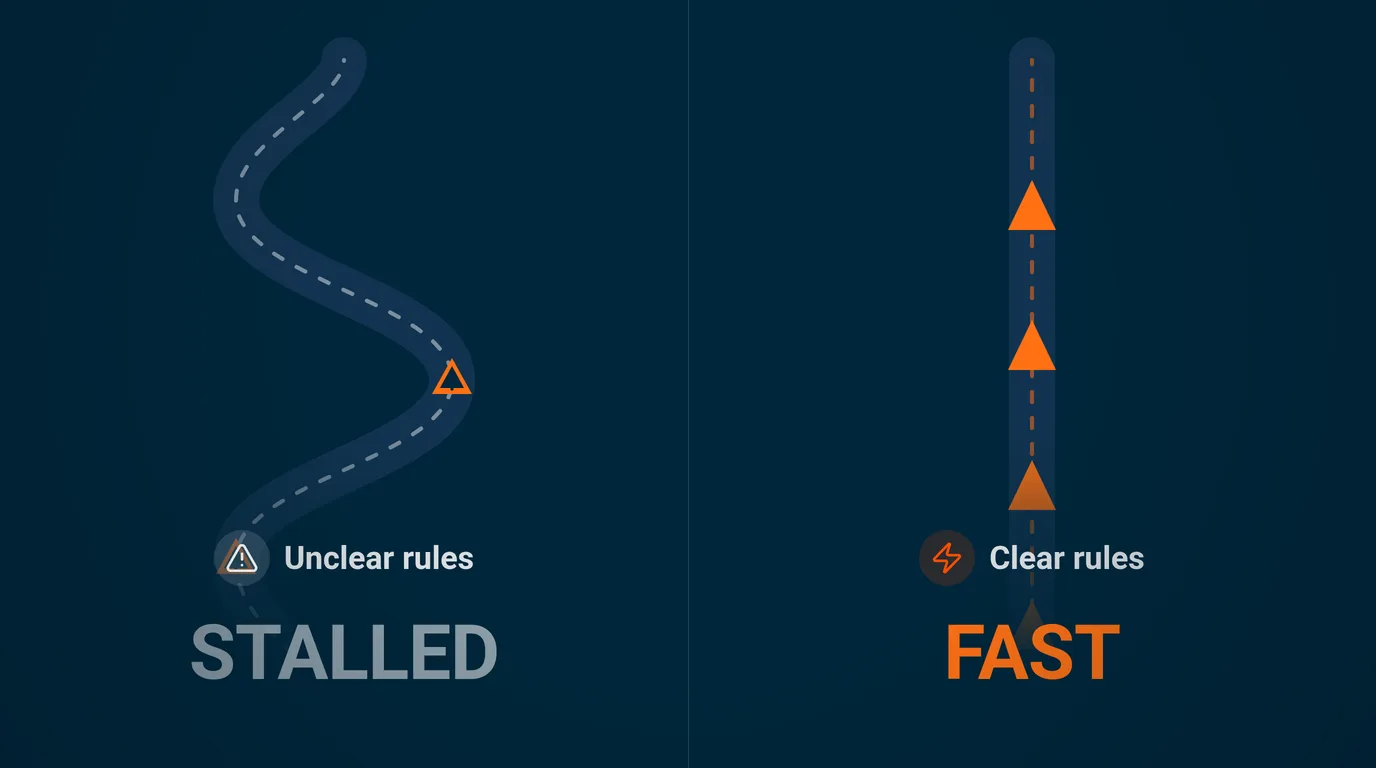
This usually fails. It slows the business down, and it does not eliminate the leak. People work around process when they need to ship work. They spend on personal cards and request reimbursement later. They split purchases to stay under thresholds. The leak continues, just with more admin.
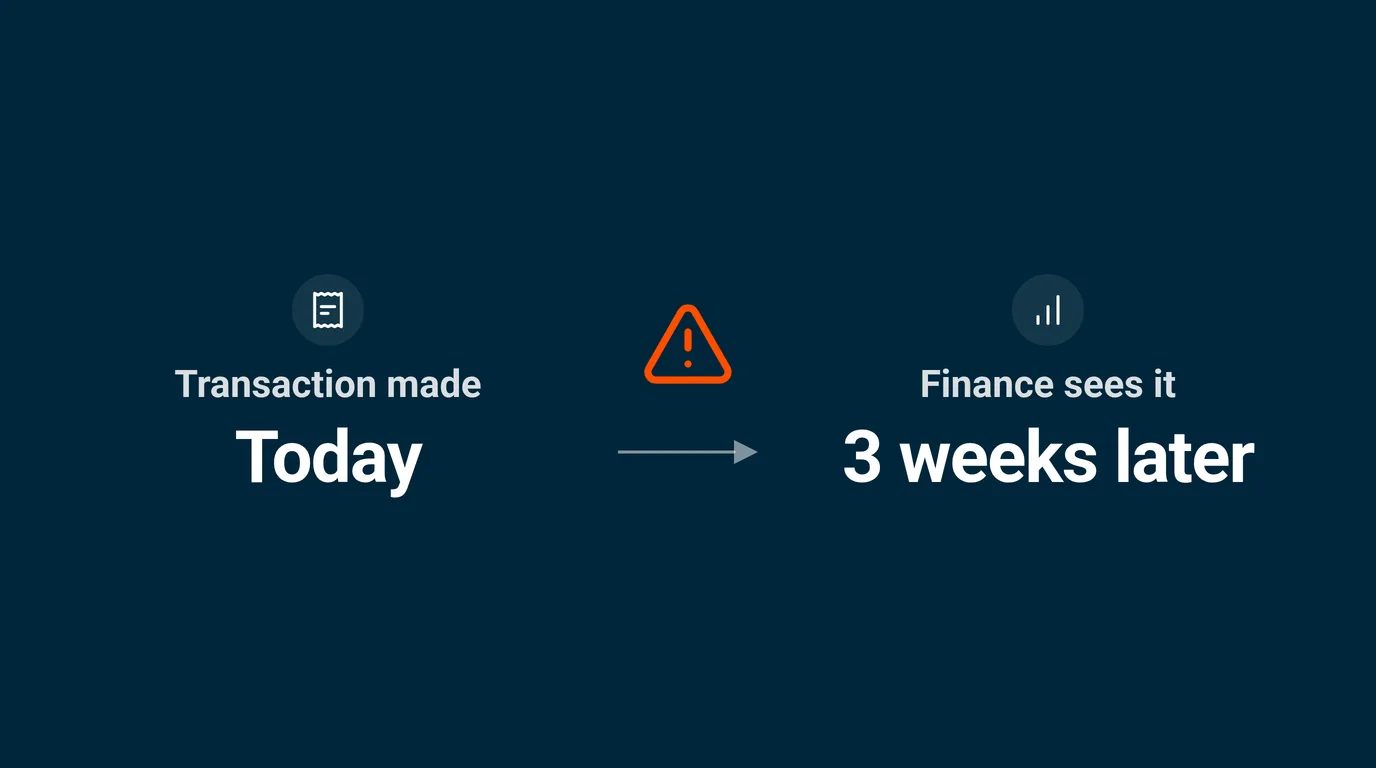
The fix is upstream visibility and clear guardrails. If you can see spend as it happens, mapped to the right budget and owner, you can prevent the slow leak without adding friction to every purchase.
The tactical playbook to close the leak
Define what counts as small spend for your business
Focus on frequency and behaviour, not a generic dollar amount. Subscriptions, minor travel add ons, delivery services, low cost software, and ad hoc supplies are typical culprits.
Assign budget ownership
Small spend becomes a margin leak when it is nobody’s job to care. Every spend bucket needs an owner. Not to approve every purchase, but to stay accountable for the pattern.
Make budgets visible to the people spending
Accountability without visibility is just policing. When budgets are visible, behaviour changes fast. People check what exists, avoid duplicates, and make trade offs before buying.
Replace blanket approvals with guardrails
Guardrails should answer three questions. What is always allowed. What is allowed within limits. What is never allowed. This keeps the business moving while still preventing the patterns that cause leakage.
Run a monthly small spend review designed for action
Do not review every transaction. Review patterns. New subscriptions. Duplicate vendors. Buckets that are rising without a clear driver. Out of policy categories. Then take one action per pattern. Consolidate, cancel, cap, or set an approved vendor list.
The message for business leaders
Spend accountability is not about distrust. It is about protecting margin while the business moves fast.
As the team grows, small spend becomes the easiest place for margin to leak because it feels too minor to manage. The answer is not to treat every purchase like a capital allocation decision. The answer is to build a system that makes visibility and accountability automatic.
That is how you keep speed and margin at the same time.