
A petty cash card is a business card you give a staff member instead of access to the cash tin, with its own spending limit. Each purchase is recorded when it happens and the receipt is captured on the spot, so there is no float to count at the end of the month. Budgetly’s petty cash cards are Visa debit cards that spend from your company’s Budgetly Spend Account. They are not prepaid cards and not credit cards.
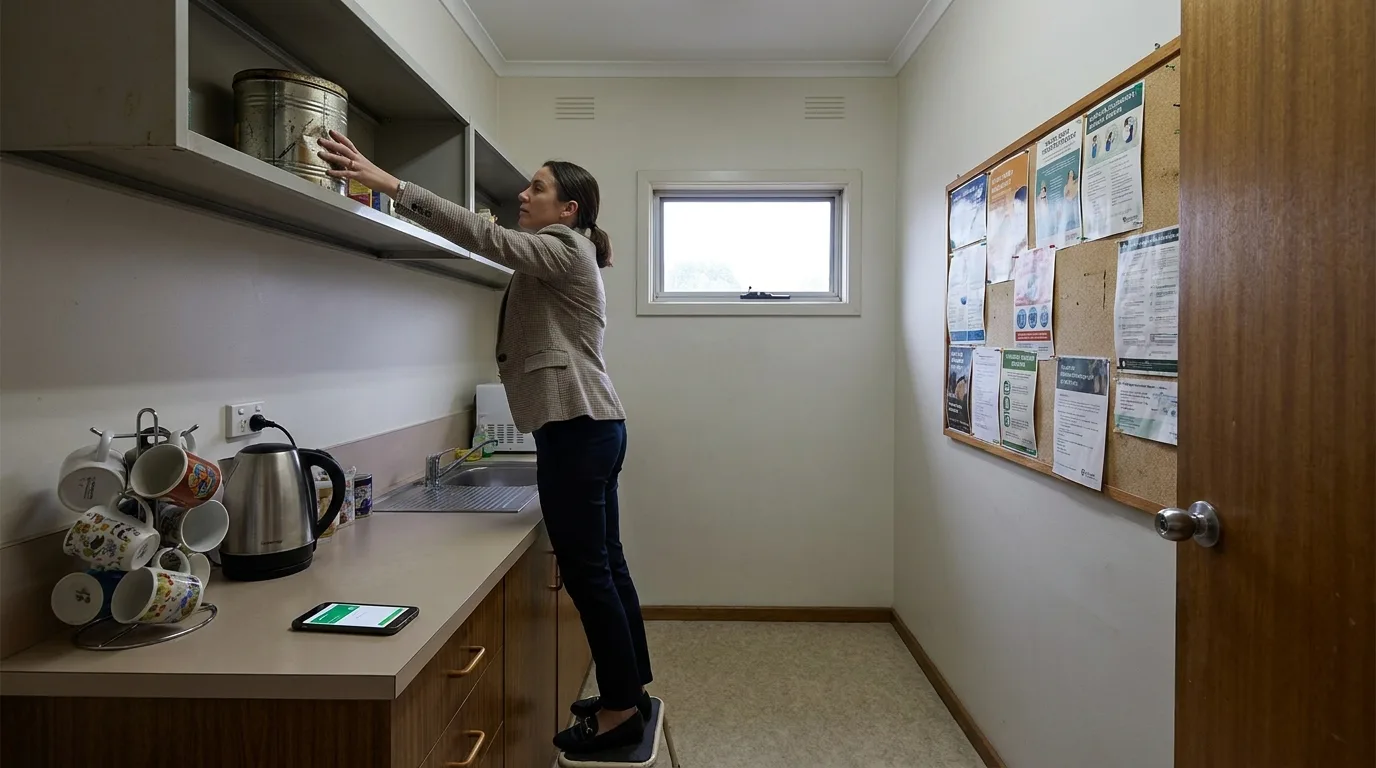
The petty cash tin usually lives in a top drawer. Nobody knows exactly how much is in it until someone counts, and when the count comes up short, nobody can say where the money went. If your team still takes cash from a float for milk, parking, postage and office supplies, you know the routine: the logbook, the envelope of receipts, and the monthly reconciliation that never quite balances.
This guide covers the most common alternative to petty cash, the petty cash card: what it does, how it compares with the tin, when a small cash float still makes sense, and how to switch in about a week.
Why petty cash costs more than you think
Petty cash looks simple: a tin, some notes and a logbook. The costs sit in the parts nobody tracks.
Cash goes missing and nobody can say who took it
A shared float has no single owner. When the count is $40 short, the logbook can’t tell you whether that was a lost receipt, wrong change or theft. National Disability Provider, with more than 100 employees, dealt with misplaced cash, false entries and outright theft before switching. Their story is in the proof section below.
A logbook is not an audit trail
A handwritten voucher records what someone says they spent. It has no reliable timestamp, no link to the actual purchase and no way to check it against what left the tin. When the numbers don’t add up, finance is left with a conversation, not a record.
Reconciliation eats finance time
Someone counts the float, matches vouchers to receipts, chases the missing ones and goes to the bank to top up. With several sites, that work multiplies. Sunnyday Carers, an NDIS provider running more than 40 group homes, used to reconcile petty cash by hand every month.
Receipts don’t make it back
Receipts for small purchases end up in pockets, cars and bins. Every missing one is a gap in your records. If you’re registered for GST, a missing tax invoice on a purchase over $82.50 including GST also means a GST credit you can’t claim until you get one.
How a petty cash card works
Instead of one shared float, each person who used to take cash from the tin gets their own card, with a limit that matches what they normally spend. With Budgetly:
- Each card has its own budget. Set it as one-time, weekly or monthly on any plan. Daily and fortnightly budgets are available on Premium.
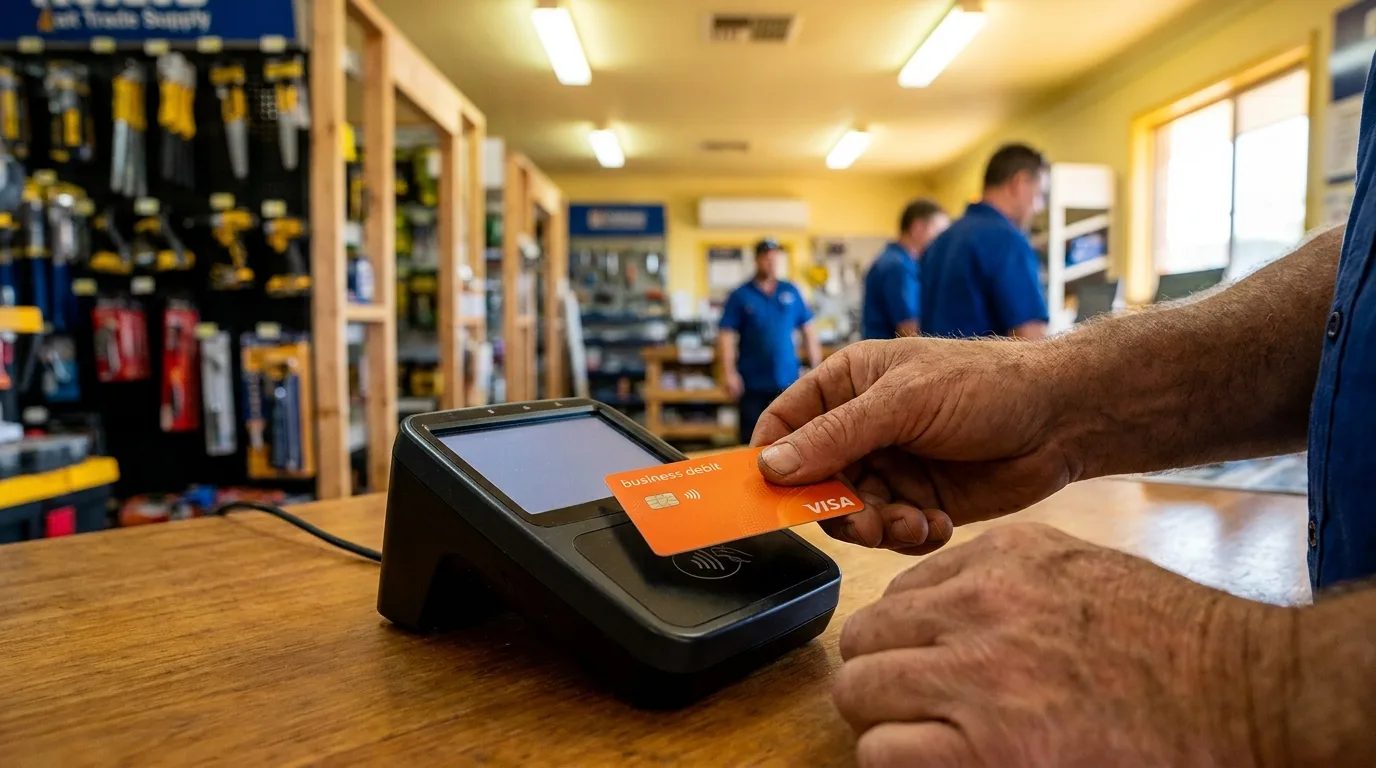
- Receipts are captured at the till. Staff tap to pay, then photograph the receipt in the mobile app, so it’s attached to the transaction it belongs to.
- Finance sees every purchase in real time, by person and by budget, instead of waiting for the next count.
- Transactions flow into your accounts. Budgetly syncs with Xero and exports to MYOB and QuickBooks.
- Lost cards are frozen, not lost money. Freeze a card from the app in seconds.
- New starters don’t wait. Virtual cards are issued instantly. Physical cards are posted.
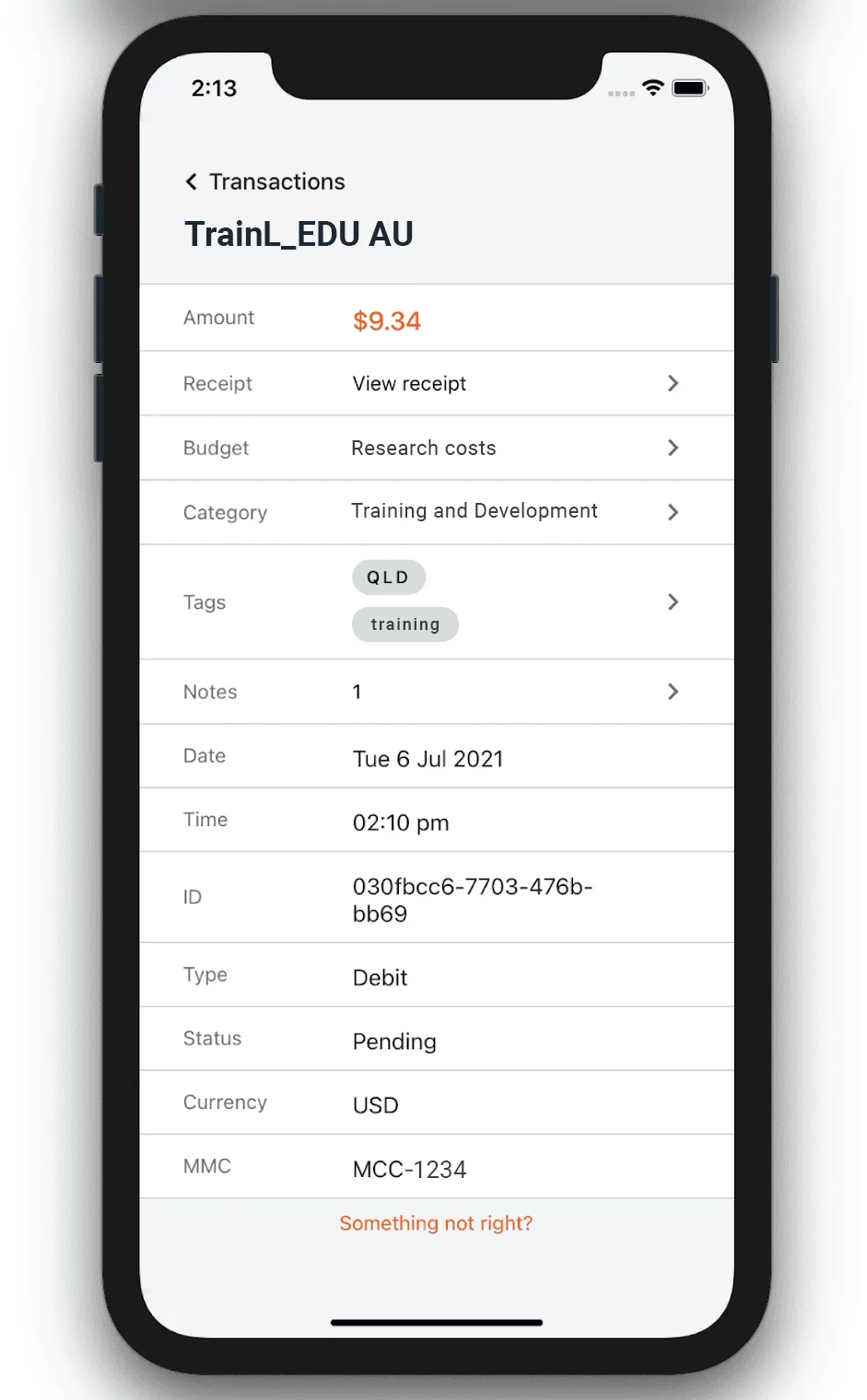
On Premium, a card can have more than one user, so some teams issue one card to a house or site rather than to each person. That suits group homes and multi-site services. You can see how the cards and limits work on Budgetly’s employee expense cards page.
Is a petty cash card a prepaid card?
Not with Budgetly. Budgetly’s petty cash cards are Visa debit cards, not prepaid cards. Many petty cash cards on the market are prepaid: you load a set amount onto each card, and when it runs out, someone reloads it.
With Budgetly, the money sits in your company’s Budgetly Spend Account and each card spends against a budget you set. Each person still gets a set amount to spend, and the budget can refresh weekly or monthly. The difference is that you top up one account instead of reloading cards one by one, and you can raise or lower anyone’s budget in the app at any time.
Petty cash vs petty cash cards: side by side
| What changes | Petty cash tin | Petty cash card (Visa debit) |
|---|---|---|
| Who spent it | Whoever signed the logbook, if they signed it | Recorded against each person’s card |
| Receipts | Paper, handed in later or not at all | Photographed in the app at the time of purchase |
| Record of each purchase | Handwritten voucher | Date, merchant and amount recorded automatically |
| Limits | Whatever is left in the tin | A budget per person or per site |
| Reconciliation | Count the cash, match vouchers, top up | Transactions recorded against each person, with receipts attached in the app |
| Visibility | Only when someone counts | Real time |
| Lost or stolen | The cash is gone | Freeze the card |
| Cash handling | Bank runs, counting and storage | None for card purchases |
| Cash-only purchases | Yes | No, see the next section |
The biggest difference is when the record is made. With the tin, someone writes it down later, if they remember. With a card, the date, merchant and amount are recorded the moment it’s tapped, and the receipt is attached in the app. The one job a card can’t do is pay a cash-only merchant, which is where a small float still has a place.
When to keep a small cash float
A card can’t pay a market stall that only takes cash, a coin-only parking meter or a tip jar. Some businesses need a little cash for those, and that’s fine. A few honest rules of thumb:
- If your petty cash is one office, one custodian and a float that balances every month, the tin may not be costing you much. Switching pays off most when there are several sites, several people with access, regular shortfalls, or when most purchases happen at places that take cards anyway.
- If you still need some cash, keep the float small and give it one custodian. Reconcile it on the same schedule as before, and move every purchase that can go on a card onto a card.
- Check three months of vouchers before you decide. If most purchases were at supermarkets, service stations and post offices, they can all go on a card, and the float you actually need is much smaller than the one you have.
How to replace petty cash in 7 days
Moving off petty cash doesn’t need a six-month project. Most of the work is deciding who gets a card and how much they can spend.
Days 1 and 2: Audit your current float
Count what’s in the tin. Review the last three months of petty cash vouchers and note who used petty cash, what they bought and how much they spent each week. This gives you the numbers to set each person’s budget.
Day 3: Issue cards to your team
Set up a Visa debit card for each person who currently takes money from the tin. Virtual cards are ready straight away, so staff can start using them on their phones while physical cards are in the post. Set budgets from your audit: for example, a $500 monthly budget for the office manager and $100 weekly budgets for support workers.
Day 4: Set your rules
Decide what each card is for and who approves exceptions. On Premium you can also block merchant types, such as liquor stores, and block ATM withdrawals for individual users.
Day 5: Tell the team
Keep the message short: “You’re getting your own card for small purchases. Tap to pay instead of using the tin, then snap the receipt in the app.” Staff usually find it simpler, because there’s no logbook, no change to return and no asking for the float.
Days 6 and 7: Close the tin
Bank the remaining float, or keep a small one if your audit showed you need it. File the final petty cash reconciliation. After 30 days, check how many transactions have receipts attached, adjust any budget that people keep hitting, and confirm transactions are coding correctly in your accounting software.
Proof: businesses that replaced petty cash
Petty cash comes up in 23 of the 89 customer stories on our site (as of October 2026). Here are three of them, plus one business that had the same problem without a tin:
Sunnyday Carers: at least 15 hours a week saved
Sunnyday Carers is an NDIS provider that manages more than 40 group homes with over 250 staff. Petty cash had to be reconciled manually every month. They started with a few cards, added more, and now run separate budgets for each house. In their words: “Budgetly has saved us at least 15 hours a week.” Read the Sunnyday Carers story.
National Disability Provider: theft risk removed
With more than 100 employees, National Disability Provider relied on a petty cash tin and manual money-handling sheets, and dealt with misplaced cash, false entries and theft. “Sometimes it was client money that went missing, which meant we had to replace it ourselves.” Moving staff spending onto cards removed the cash from the process. Read the National Disability Provider story.
BB Disability & Health Services: 10+ hours a week back
BB Disability & Health Services, which runs multiple supported accommodation homes with 150 staff, relied on petty cash and monthly invoices from large retailers, and petty cash was withdrawn without approval or tracking. Each house now has its own Budgetly card, and chasing receipts and managing petty cash are no longer part of the finance team’s weekly workload, saving more than 10 hours a week. Read the BB Disability & Health Services story.
Connecting Families: over $21,000 saved
Connecting Families didn’t use a petty cash tin, but had the same problem: getting money to staff meant buying supermarket vouchers and fuel cards. Moving everything onto Budgetly saved them over $21,000: “We’ve saved twenty one thousand dollars because now, everything goes through Budgetly.” Read the Connecting Families story.
What customers say in reviews
“Budgetly has made it a lot easier to track who’s spending what and when. Previously used petty cash, no longer have the headache of managing this.”
Marcin M, Financial Accountant, review on Capterra
“We no longer need to use petty cash and manage that process manually. Having house cards has helped our expense management process significantly as we can simply top up budgets when we need to.”
Dannyelle R, Finance Officer, review on Capterra
Who still uses petty cash (and why they switch)
Plenty of Australian businesses still run petty cash. The usual reasons sound fair until you look at the alternative.
“Our purchases are too small for a card”
A $12 milk run or a $7 parking meter feels too small for a business card. But a card with a $50 weekly budget handles those purchases with less effort than the tin: tap, snap the receipt, done. Each Budgetly plan includes some cards (4 on Essentials, 10 on Premium), and extra cards are $10 a month each.
“We’ve always done it this way”
Petty cash feels easy because it’s familiar. Staff know the routine: take cash, write it in the book, bring back the change and the receipt. What they don’t see is the time finance spends counting the float, chasing receipts and explaining shortfalls.
“Some of our payments must be cash”
Sometimes that’s true. Look at how many of your vouchers were actually cash-only. For the few that are, keep a small float, as covered in when to keep a small cash float. Everything else can go on a card.
Petty cash cards and ATO records
The ATO doesn’t require you to pay by cash or by card. It requires records. Keep records of business purchases for five years, in English, and be able to show them if the ATO asks (ATO record keeping for business). To claim a GST credit on a purchase over $82.50 including GST, you need a tax invoice. For purchases of $82.50 or less, a tax invoice, cash register docket, receipt or invoice is enough (ATO: when you can claim a GST credit).
With a card, the purchase record exists the moment the card is tapped, and the receipt is attached in the app. The part that still depends on people is taking the photo, so Budgetly shows finance which transactions are missing a receipt. Budgetly keeps the audit trail for 3 years on Essentials, 5 years on Premium and 7+ years on Enterprise, so export your records if your plan’s retention is shorter than what you need to keep.
For NDIS providers, childcare services and schools that have to acquit funding, a card record with the receipt attached makes each dollar easier to account for than a tin and a logbook. See how this works for NDIS providers.