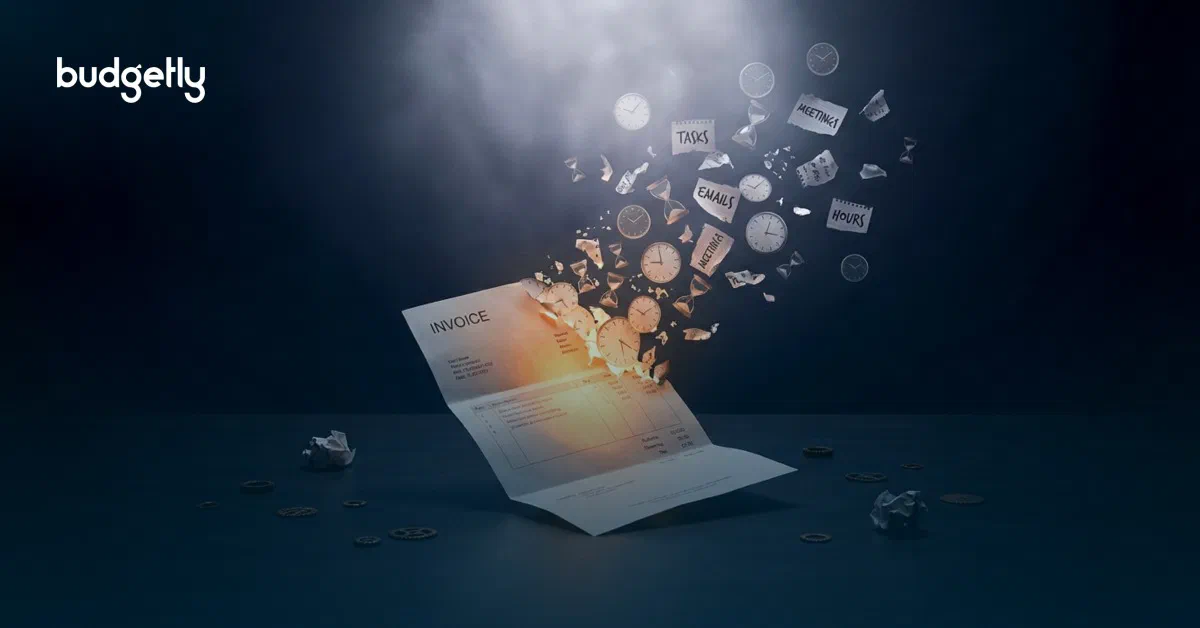

Month end does not blow out because finance teams cannot reconcile. It blows out because the data arrives late, incomplete, and inconsistent.
Most businesses still run bills through email. Someone forwards an invoice. Someone asks a question. Someone approves in a thread. Then finance re keys the details into a banking portal and codes it later when the memory has gone cold.
That is not a bills process. It is a relay race. And every handoff adds delay, rework, and risk.
The fix is not working harder at month end. The fix is getting bills “ledger ready” at the moment they enter the workflow.
Coding at entry is the only lever that matters
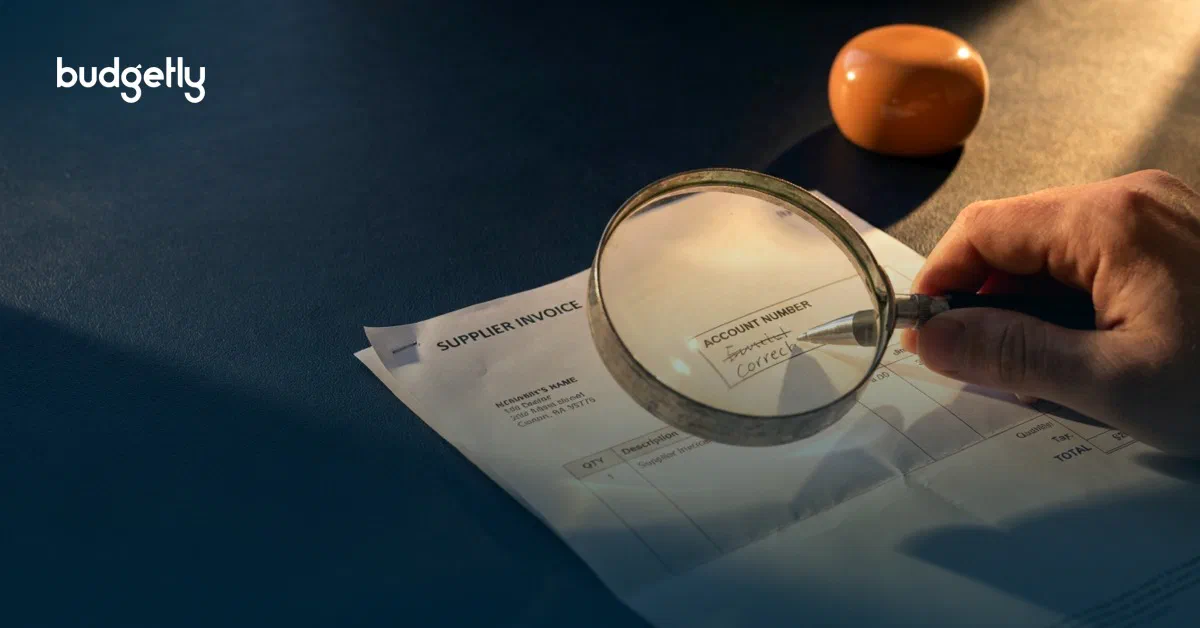
When a bill is coded at the end, you are coding from guesswork. The person who knows what the spend was for has moved on. The context is buried in an inbox. The approver remembers approving, not why.
When a bill is coded at entry, three things change immediately.
Approvals become faster because the approver sees the category, the budget context, and the narrative in one place.
Exceptions surface early because missing info is caught before payment, not after.
Month end becomes a review because the bill arrives in the right bucket before it ever hits the ledger.
Coding at entry also standardises your process. That matters because automation does not fail on edge cases. It fails on inconsistency.
Category at entry, then sync to accounting
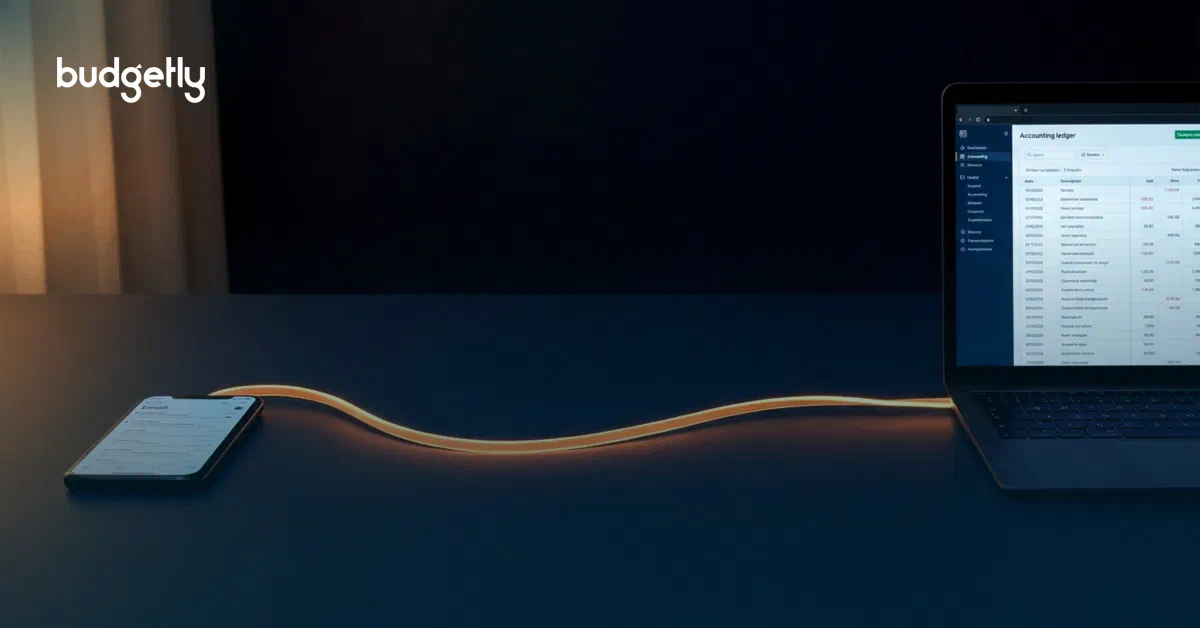
A “one pass” workflow is simple in principle.
Capture the bill as it comes in.
Code it once, at the point of entry.
Route it for approval with the coding attached.
Pay it.
Sync it into your accounting system.
That flow eliminates duplicate handling. It removes the second round of coding work. It also reduces the back and forth that drags AP into the first week of every month.
Why this closes month end faster
Faster close is not about speed. It is about fewer open loops.
If your bills sit in email, you have open loops everywhere. Unapproved invoices. Missing receipts. Unclear categories. Payments made with no coding. Coding done with no evidence trail.
When bills are captured and coded upfront, your open loops collapse into a single list. What is waiting on approval. What is missing info. What is ready to pay. What has synced.
That clarity is what gives you a cleaner month end close. Finance stops chasing. The system shows you what is blocked.
A one week rollout plan
You do not need a three month transformation project to get this working. A one week rollout is realistic if you keep the scope tight.
Day 1. Decide the rules
Pick the minimum viable structure.
- The categories you will use for bills
- Who can code, who can approve, and what the approval thresholds are
- The exception rules, such as changed supplier bank details or new suppliers
Day 2. Set up capture and assignment
Move the invoice intake point from “someone’s inbox” to a shared capture flow. Define who owns triage, so bills do not disappear into forwarding chains.
Day 3. Turn on coding at entry
Make coding mandatory before approval. Keep it simple. Category, job or department if needed, and a short note.
Day 4. Connect accounting sync
Link the workflow to your accounting system so bills do not need to be re keyed later. The goal is a single source of truth for what is approved, what is paid, and what is posted.
Day 5. Run the first bill run
Start with a small batch. Ten to twenty bills is enough.
- Validate coding accuracy
- Confirm approval flow works
- Confirm what lands in accounting matches what was approved
- Fix the two or three edge cases that always show up
Day 6 to 7. Expand and lock it in
Bring in the next set of approvers or cost centres. Retire the old behaviour. The only way this fails is if people can still bypass the process in email.
The practical CFO standard
A clean close is not earned at month end. It is earned at the first touch.
If you want “from inbox to ledger in one pass”, make one rule non negotiable.
The bill is coded at entry, approved with the coding attached, and synced without being re entered.
Everything else is just admin.