
Most SMEs treat budgets as a Finance artefact. Finance builds them. Finance tracks them. Finance reports the variance. Then everyone is surprised when the business overspends in categories that “should have been under control”.
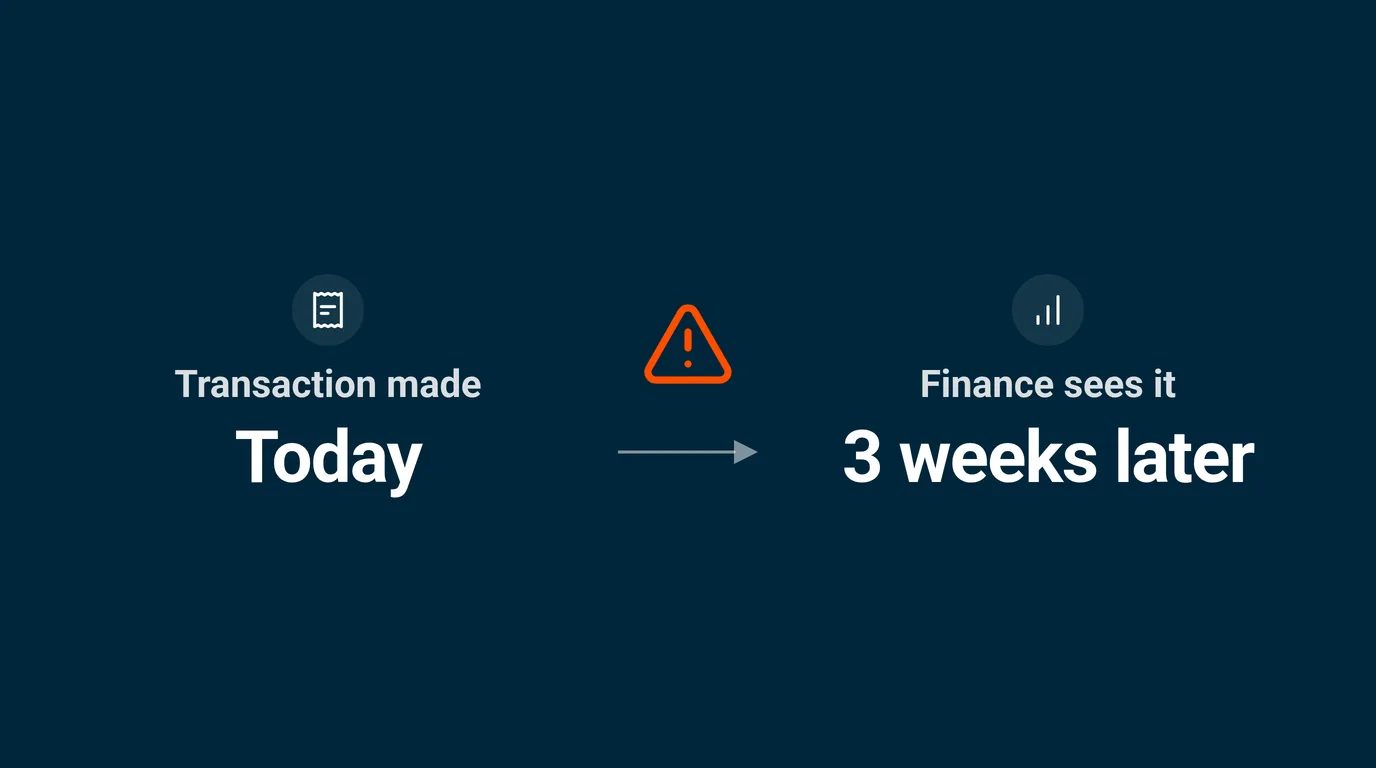
The pattern is predictable. The person spending does not see the budget in real time. They only see the need in front of them. So they make the fastest decision, then explain it later. Finance sees the spend after the fact. It can flag it, chase context, and tighten approvals. None of those steps stop the spend. They just add admin.
That is the difference between a budget holder and a budget owner.
A budget holder has a number assigned to them. A budget owner carries responsibility for decisions that move that number, at the moment those decisions are made. If you want spend accountability without slowing the business down, budgets need to be owned where spending decisions actually happen.
Why centralising budgets in Finance breaks as you grow
Centralised budget control looks tidy in a spreadsheet. In practice, it creates three failure modes.
First, the feedback loop is too slow. Finance discovers the issue weeks later, when the transaction has already landed and the money has already left.
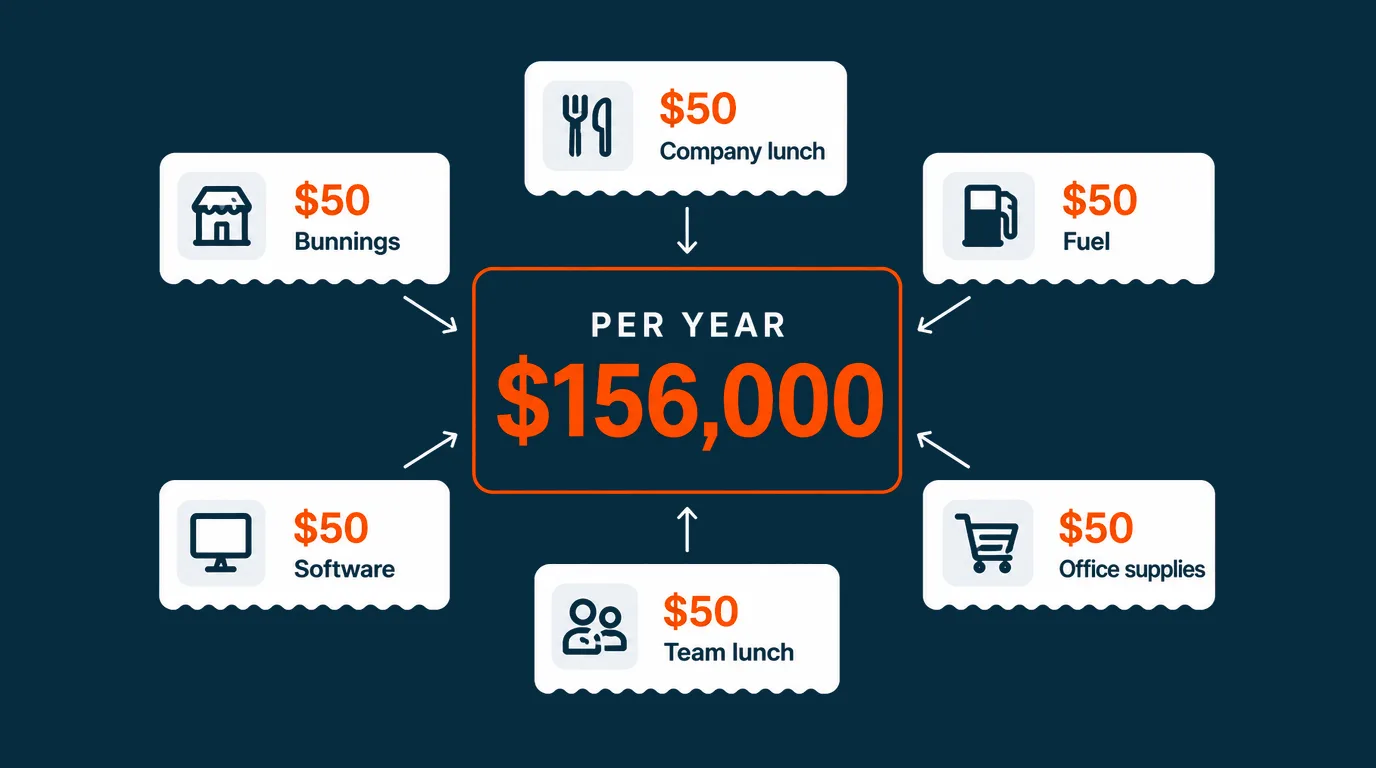
Second, Finance becomes the bottleneck. If every exception needs Finance to interpret policy, confirm coding, or approve spend, the business either slows down or works around the process. People spend on personal cards and request reimbursement. They split purchases to stay under thresholds. They buy the tool and deal with the “paperwork” later.
Third, ownership becomes abstract. When accountability is centralised, team leads can always say, “I did not know”, or “Finance did not tell me”, or “It was only a small purchase”. Nobody is lying. The system just does not make accountability natural.
As the team grows, this gets worse. More people spend. More vendors appear. More subscriptions stack up. More small decisions turn into material outcomes. Finance cannot police volume. It needs a model that distributes responsibility without losing control.
Budget owners need real time visibility
Budget owner visibility means the person accountable for a budget can see three things, in real time.
- What has been spent
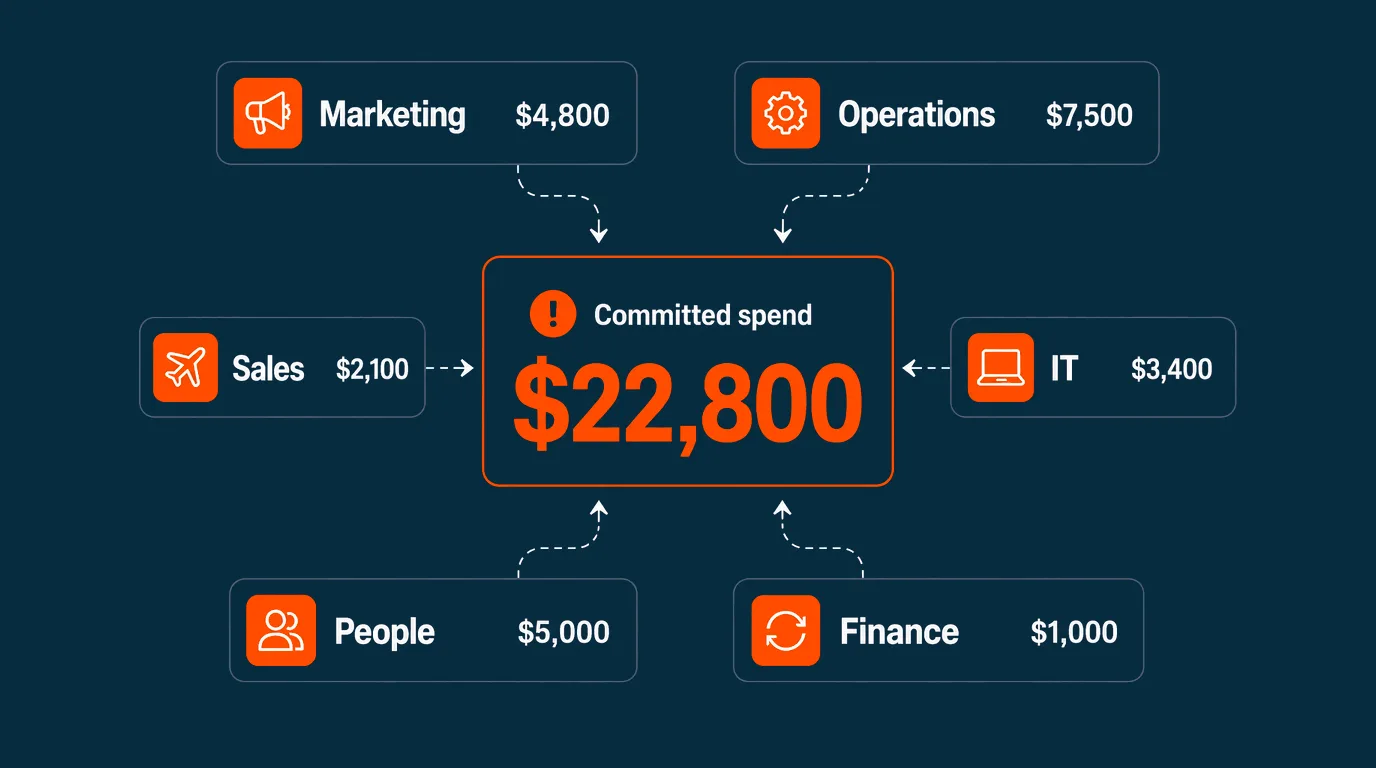
- What is committed but not yet paid
- What is left
That visibility changes behaviour immediately, because it improves decision quality. A team lead who can see remaining budget will ask different questions before approving a purchase. They will spot duplication earlier. They will time spend more deliberately. They will make trade offs as part of running the function, not as a surprise at month end.
This is Budgetly’s Budget Owner Experience thinking. Push visibility and responsibility to the team lead, and keep Finance as the designer of guardrails and the monitor of exceptions.
It is not decentralisation for its own sake. It is moving accountability closer to the point of spend.
What Finance should own instead
Shifting budget ownership does not mean Finance loses control. It means Finance focuses on the parts that scale.
Finance should own the structure. Budget categories, cost centres, and how spend maps to each bucket.
Finance should own the guardrails. What needs approval, what is out of policy, and what evidence is required.
Finance should own the exception system. Which patterns trigger review, escalation, or policy change.
Finance should own the insight layer. Variance analysis, forecasting impact, and leadership reporting.
In this model, Finance becomes a system architect, not an approvals desk. That is higher leverage, and it supports growth.
How to implement it without creating chaos
You do not need a complex transformation. You need clear roles and simple rules.
Assign a named owner to each budget
This is a person, not a department. If nobody is clearly responsible, nobody is responsible.
Give owners real time visibility
Not monthly PDFs. Not a spreadsheet updated after the fact. Visibility that matches how the team actually spends.
Define what owners can approve, and within what limits
Most purchases should be handled inside guardrails. Escalation should be the exception, not the default.
Make approvals fast and consistent
If a team lead is a budget owner, they need a clean workflow to approve spend. Slow approvals push people into workarounds and undermine the whole system.
Review patterns, not transactions
Monthly reviews should focus on trends. New subscriptions. Duplicates. Categories drifting. Repeated out of policy exceptions. Then adjust guardrails.
The leadership reframe
Budget ownership is not about pushing more work onto team leads. It is about making budget decisions part of running the business.
Business leaders want teams to move fast. Fast teams need clarity. They need to know what they can spend, what they cannot, and what trade offs matter.
When budget responsibility sits with the person spending, accountability stops being a Finance problem and becomes an operating habit. Not more policing. Not more approvals. A system where the right person sees the right numbers at the right moment, and the business stays in control without slowing down.